
It seems we’re entering an era where disease and illness are more prevalent than ever before. Modern medicine, while advanced, often falls short of our expectations, and the difficulty in securing a timely doctor’s appointment has become increasingly frustrating. Hospitals are overwhelmed, understaffed, and filled with fatigued nurses struggling to manage the influx of patients. I recall a time when visiting the doctor was an annual event, primarily for a check-up, unless something was critically wrong. Sickness seemed less common back then—the cold and flu were seasonal occurrences, unlike today, where they can strike at any time of the year.
In the past, takeaway food was a rare treat, with fish and chips being the extent of it. Today, fast food is ubiquitous, with options on nearly every corner. Our food is often processed beyond recognition, and even fresh produce is so heavily treated with chemicals that it undermines the very idea of eating healthily. The convenience of modern life—characterized by an abundance of plastic, disposable products, and easy-to-access food—is taking a toll on our health. I admit, I’ve been just as guilty of choosing convenience over health. As a working individual, takeaway is often the easiest option, and I’ve been lax with my food choices. But as I age, I’m beginning to reassess what we allow into our bodies. More and more people are waking up to the reality of what we consume and are yearning for a healthier way of living, though the high cost of nutritious food can be a significant barrier. Junk food is cheap, and when you’re on a budget, it’s often the default choice.
So, where do we go from here? How can we prevent illness before it starts? I believe it’s time to educate ourselves on alternative methods of living—especially when it comes to maintaining our health. This can be challenging, particularly for those who work long hours and live in urban environments. Growing a vegetable garden might seem out of reach for many due to time and space constraints. Even I, living on a farm, have struggled to maintain my garden due to being time-poor. But change is on the horizon. I’ve found success growing vegetables in pots, and even when I didn’t have space in the garden, I managed to grow peas and broccoli in the base of a rose plant. Though I intended to transplant them, they thrived where they were, and we enjoyed fresh peas straight from the bush. It’s a testament to the fact that you can grow your own food, even in limited space.
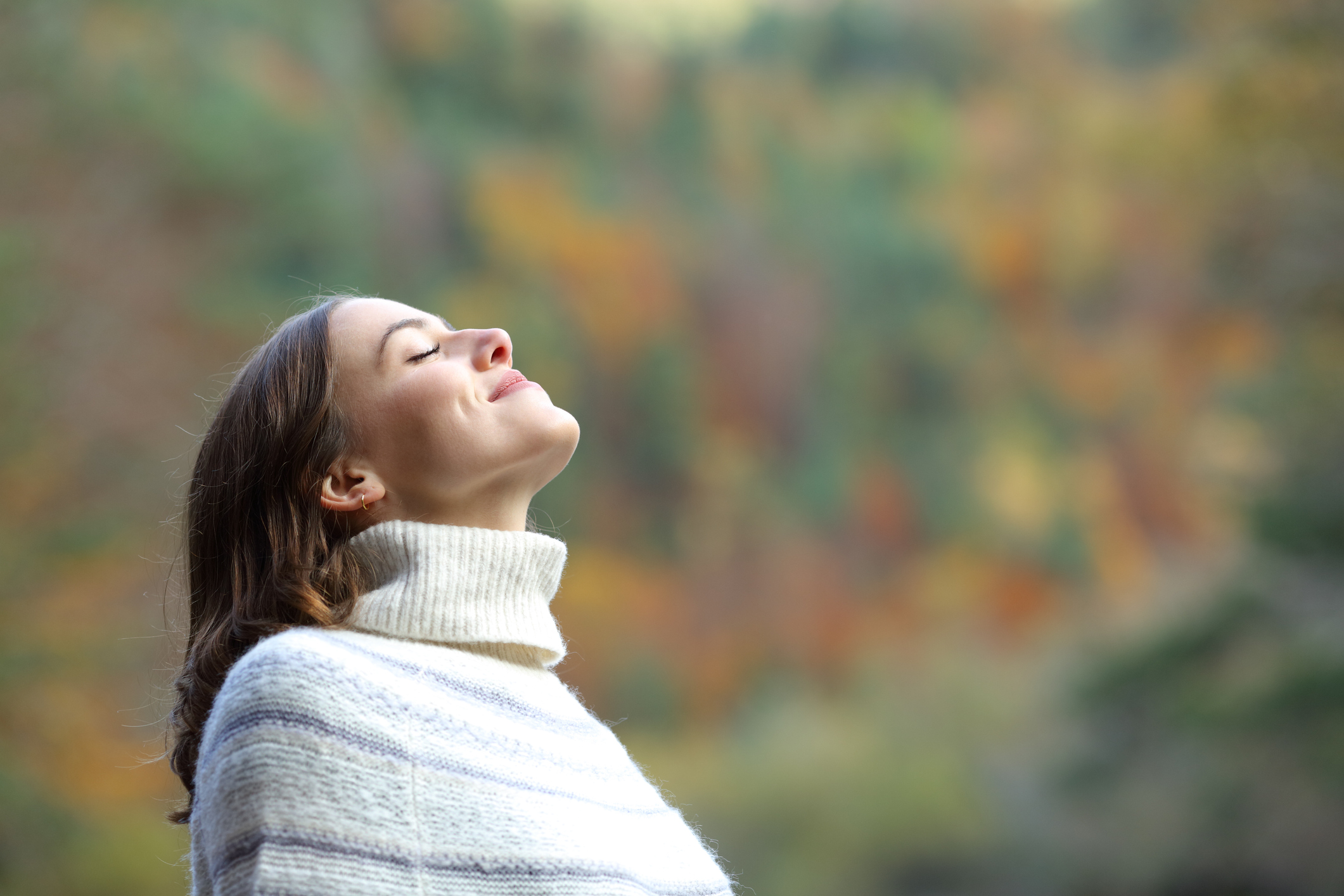
There is a wealth of knowledge available in books that focus on alternative remedies for illness, growing your own food, and maintaining overall health. It’s crucial that we relearn these skills—not just for ourselves but for our children as well. We’re moving towards a more artificial society, and there’s a growing concern that governments are increasingly trying to control what we eat and how we live. The prospect of factory-grown meat looms on the horizon, and personally, I’ll pass on that. For emotional health, which is becoming a significant issue in today’s world, I turn to essential oils. These small but potent drops have helped me navigate the most challenging days of menopause and continue to support my mental well-being. Additionally, never underestimate the power of fresh air—a simple five minutes outside can work wonders for your mood and overall health.
As I approach 60, I’ve encountered my share of challenges, and like everyone, I still face some. However, I’ve learned to recognize the tools that help me cope when life feels overwhelming. I’m incredibly fortunate to live where I do and to have a faith that sustains me through it all. I encourage those of you who are struggling to step outside, explore the benefits of essential oils, grow your own food, and allow yourself the space to breathe. These small steps can make a significant difference in your journey toward a healthier, simpler life.



Leave a Reply